
Q&A: Chris Gabriele, Head Golf Professional at Old Westbury Golf & Country Club, on His PGA Championship Debut
Alex Elias
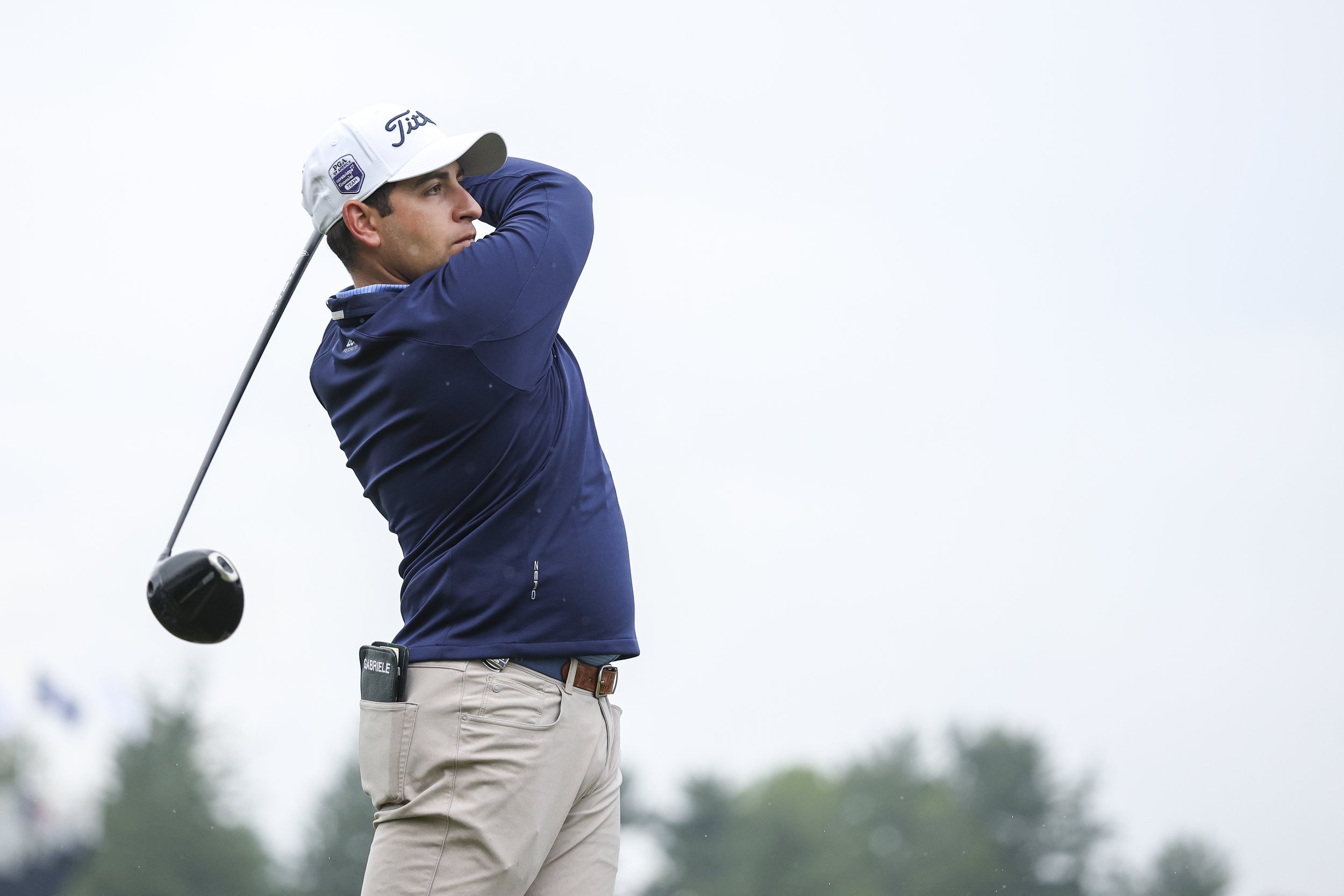
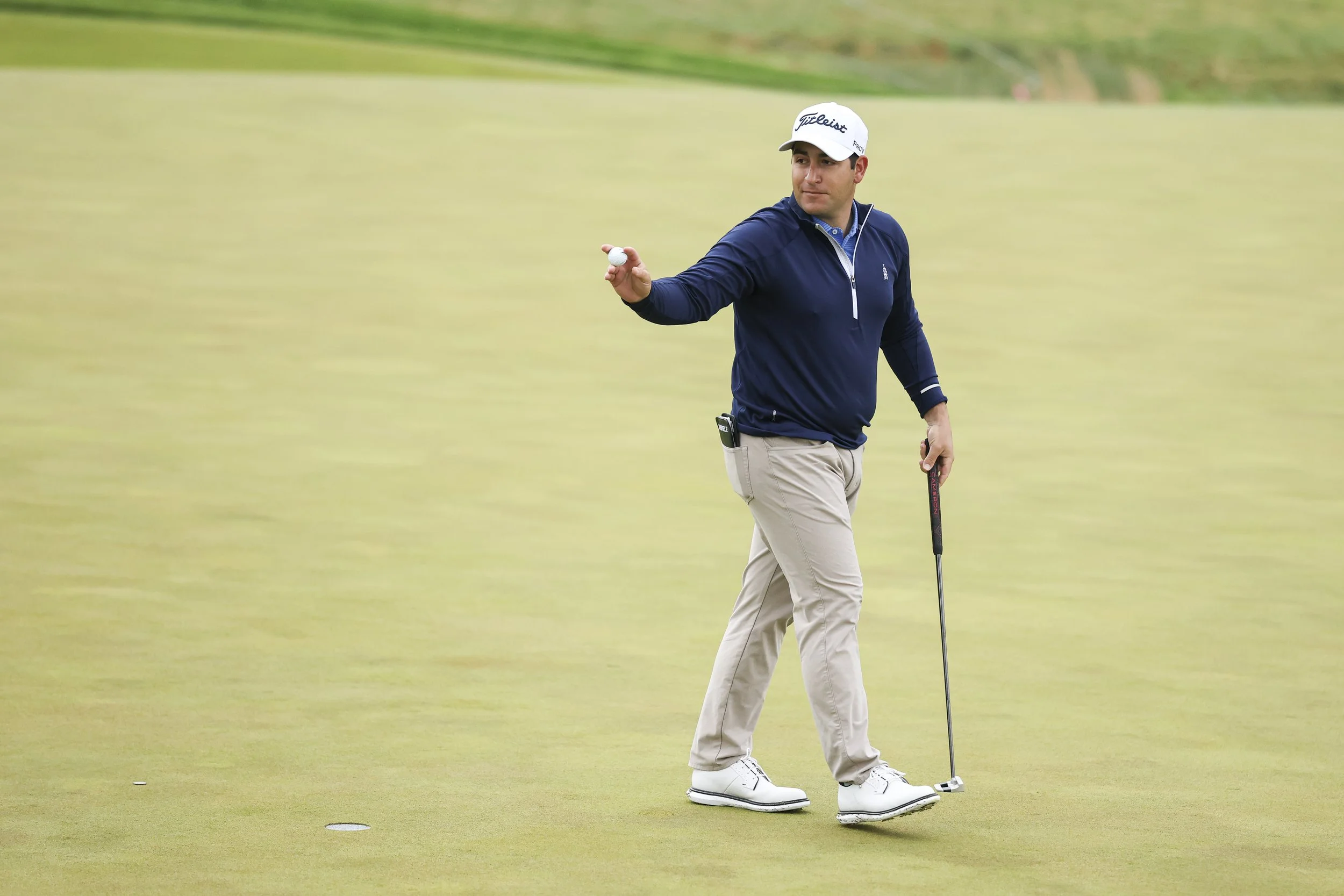
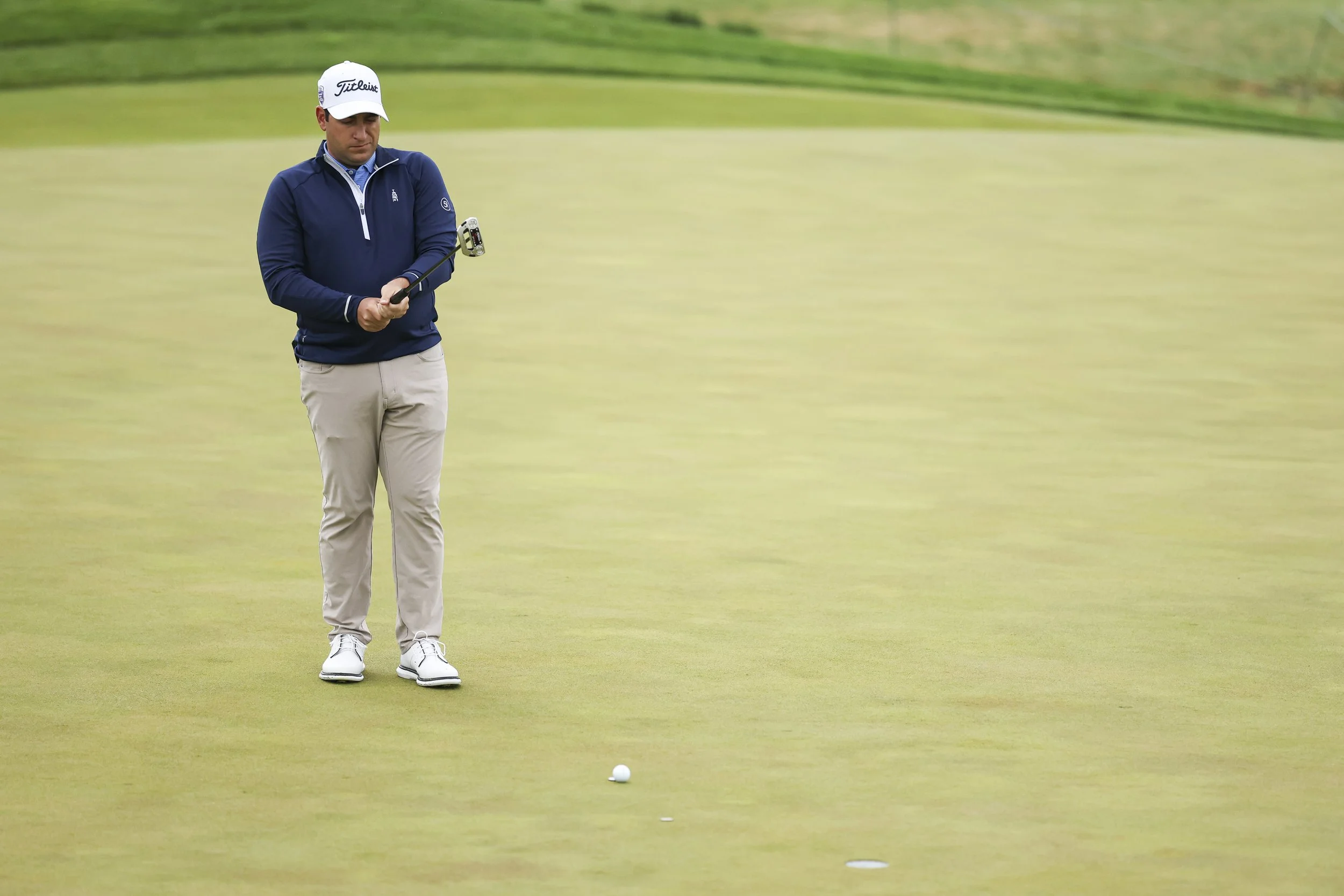
Courtesy of the PGA of America
Before diving into the PGA Championship, you made your debut after finishing T-10 at the 2026 PGA Professional Championship, eagling the Par-5 18th to secure a spot on the Corebridge Financial Team. Did the reality of heading to Aronimink Golf Club hit you immediately after the putt fell, or sometime later?
When I was standing on the tee, I knew I probably needed a birdie just to have a chance at a playoff. But to hit a 3-wood from 263 yards and see it settle to 5 feet—with a putt that didn’t break much—was unbelievable. Once I got to the green, I realized, ‘Make this, and you’re in.’
I’d like to say it hit me immediately after the putt dropped, but in reality, it was probably during the four-and-a-half-hour drive from Bandon [Dunes] to Portland for my flight home, when I spent the entire ride answering congratulatory texts from friends and family.
Leading up to Round 1, you played a practice round with Cameron Young, who you’ve known from competing against growing up and through your time working for his father at Sleepy Hollow Country Club. He said afterward, ‘He’s always been a good player, so no surprise he qualified.’ What did Cam’s comments mean to you? And what did he share with you during the round?
It was really nice to hear. It was really special to be able to share the stage with Cam, as well as Stewart Cink and Michael Brennan, and then Sepp Straka the following day. Specifically regarding Aronimink, Cam told me, ‘You’re here for a reason. Just play your game and enjoy the moment.’
As a follow-up, how much were you trying to stay in your own lane and focus on your game, versus taking the opportunity to learn from the players around you?
A little bit of both. Over the course of the championship, I was alongside guys like [Brooks] Koepka, [Viktor] Hovland, and [Justin] Rose on the range, which was very cool, and I definitely listened in at times to hear what they were honing in on, because you can learn a lot just from observing. But I was pretty proud of the fact that I was able to stay in my own lane and focus on what I was trying to accomplish—especially since I made two changes to my bag for the week: I replaced my 4-iron with a 4-hybrid because the 4-iron wasn’t going as far as we needed it to, and I swapped out my old lob wedge for a brand-new one.
Similarly, as you discussed finding a balance on the range between observing and preparing, how did you find that balance on the course between competing—especially given your competitive nature—and enjoying the moment, as Cam reminded you to?
I definitely found a good balance. I wanted to play better, of course, but at the same time it was a brand-new arena for me. It was by far the most people I’ve ever played in front of, hitting drives down these alleyways of fans and hearing people shout at you—it was unlike anything I’d experienced before.
I obviously wanted to compete for Low PGA of America Professional, but at the same time I wasn’t going to be too hard on myself. First, I was so new to that environment—I was extremely nervous on the first hole Thursday—and second, it’s a memory for life.
In Round 1, you began the Championship with a triple bogey on Hole 10, but immediately bounced back with a birdie on Hole 11. What did that birdie mean to you?
I don’t know if a lot of people realize what happened on 10, but my second shot just missed clearing the water. Then from the drop zone, I actually hit a great shot—it nailed the pin and almost went in, but kicked back almost 50 feet, nearly into the water again. It was unfortunate, but that’s golf. You’re going to get good breaks and bad breaks, and that was a tough one on top of a water ball.
To then come back and birdie 11 was really nice. It steadied the ship, and while I’m most proud of how I held my own over the two days—especially given how tough the course played, shooting even par on the front nine in Round 2—the birdie on 11 was certainly one of my proudest moments.
Having worked at Sleepy Hollow Country Club, Quaker Ridge Golf Club, and now recently being named Head Golf Professional at Old Westbury Golf & Country Club, along with competing in many Metropolitan Golf Association events, you could make the case that you were as familiar with Northeast-style golf as anyone in the field. Had you played Aronimink Golf Club before, and if not, what were your impressions of it? Did the results surprise you?
I had never played Aronimink before, but like you said, I was very comfortable given its location in the Northeast and the courses I’ve played. It’s a great, demanding golf course.
In the Met Section, we always set the courses up extremely tough, so it didn’t feel too unfamiliar. That said, I also didn’t know any different. Yes, they were the toughest pins I’ve ever played, but until I heard players like Scottie [Scheffler] discussing the locations, I just assumed that was normal.
I don’t know if it was the PGA of America’s reaction to hearing certain players predict a -15 or -20 winning score, but Aronimink really stood up. It was a really cool opportunity to test myself on such a difficult setup and historic course.
Lastly, you were representing the clubs you’ve worked at, as well as your fellow 30,000 PGA Golf Professionals. What did that mean to you, and given the support you received, what did that mean to you?
It was an absolutely incredible honor to be one of the 20 PGA Golf Professionals. It means the world to me. The support I received from all three clubs was incredible—the number of texts I got, along with friends and family who showed up—best friends, both siblings, my parents, my wife, and her family—is something I’ll never forget.
Nobody got louder cheers for pars and bogeys, which really speaks to how much support I had. They didn’t care how I played; they were just so happy for me and to live the experience alongside me.
You always hear players on Tour say, ‘Whether I shoot 70 or 80, I still go home to my wife and kids,’ and I certainly appreciate that sentiment more now.
