
2026 U.S. Amateur Championship Preview
Alex Elias
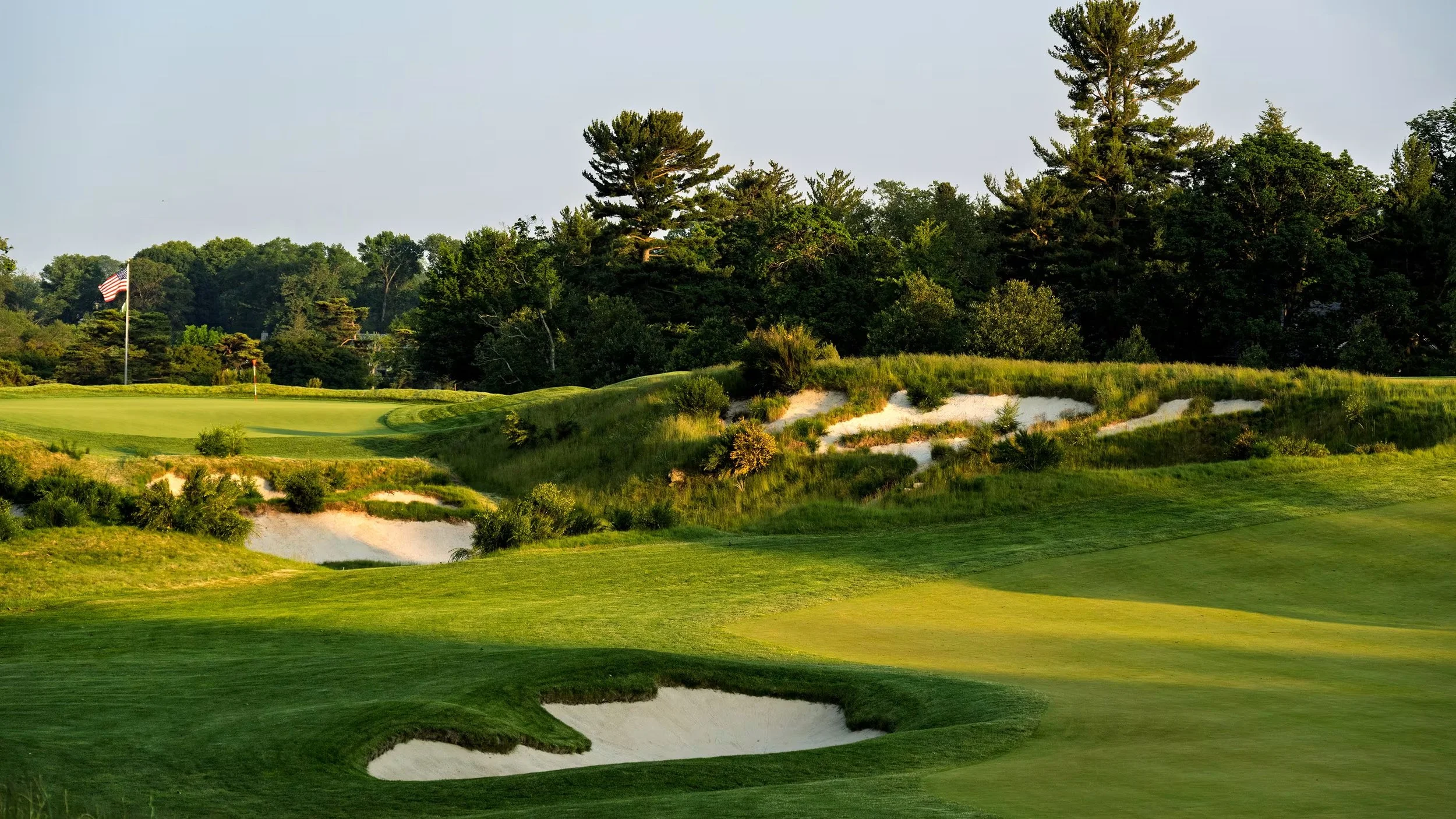
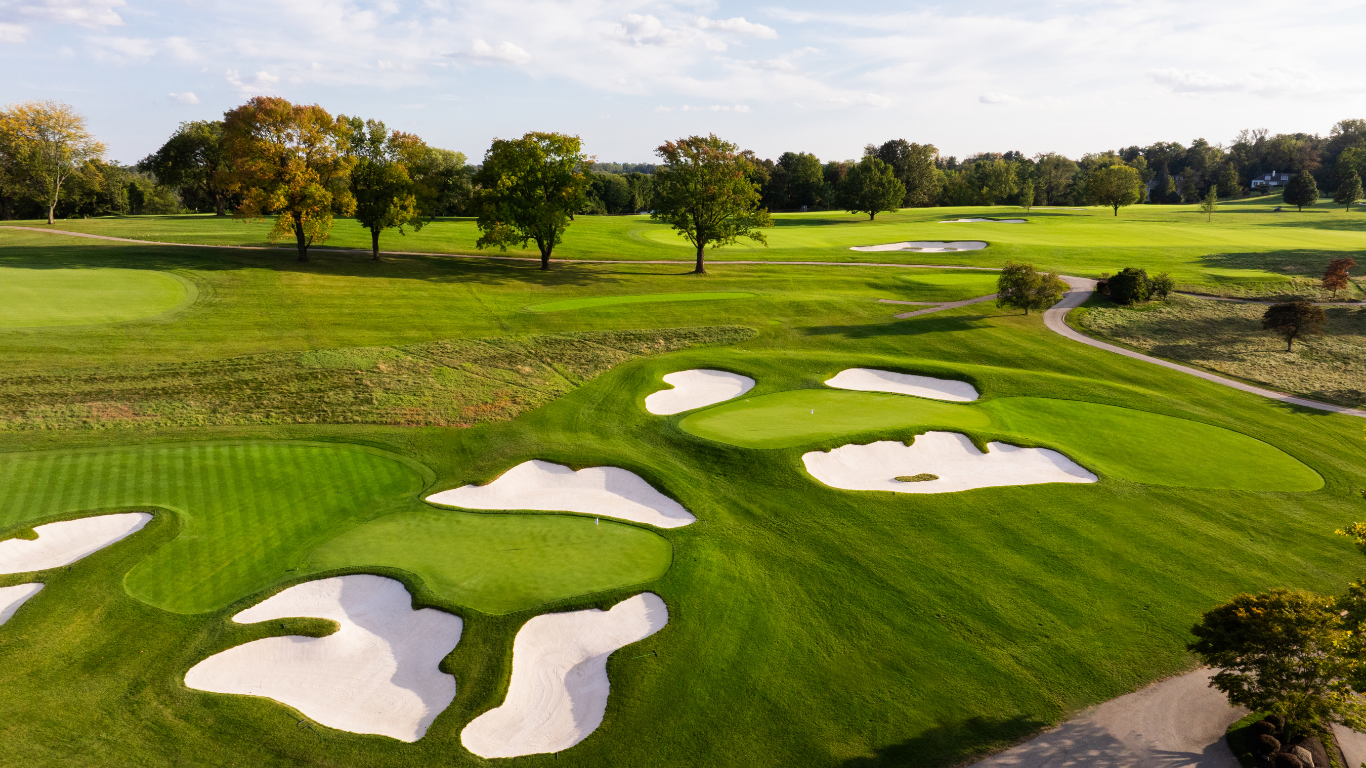
Returning to Philadelphia for the first time since 2005, when Edoardo Molinari hoisted the Havemeyer Trophy, Merion Golf Club will host its 20th USGA championship, alongside Stroke-Play Co-Host Philadelphia Country Club.
“It’s a privilege to welcome the world’s best amateurs,” said Jack Davis, Director of Golf at Merion Golf Club. “We have a tremendous amount of pride in our history, specifically in serving as an ambassador for amateur golf. Although Merion has hosted five U.S. Opens and is the future site of three U.S. Opens and two U.S. Women’s Opens, it’s really the amateur championships that tell Merion’s story, most notably Bobby Jones winning the 1924 U.S. Amateur and the 1930 U.S. Amateur.”
“We are honored and excited to welcome the best amateur golfers in the world to our recently restored William Flynn golf course,” said Scott Reilly, Head Golf Professional at Philadelphia Country Club. “Philadelphia has been at the center of an amazing year, with the PGA Championship, the World Cup, and, most recently, the nation’s 250th anniversary. To continue that is very special for our club.”
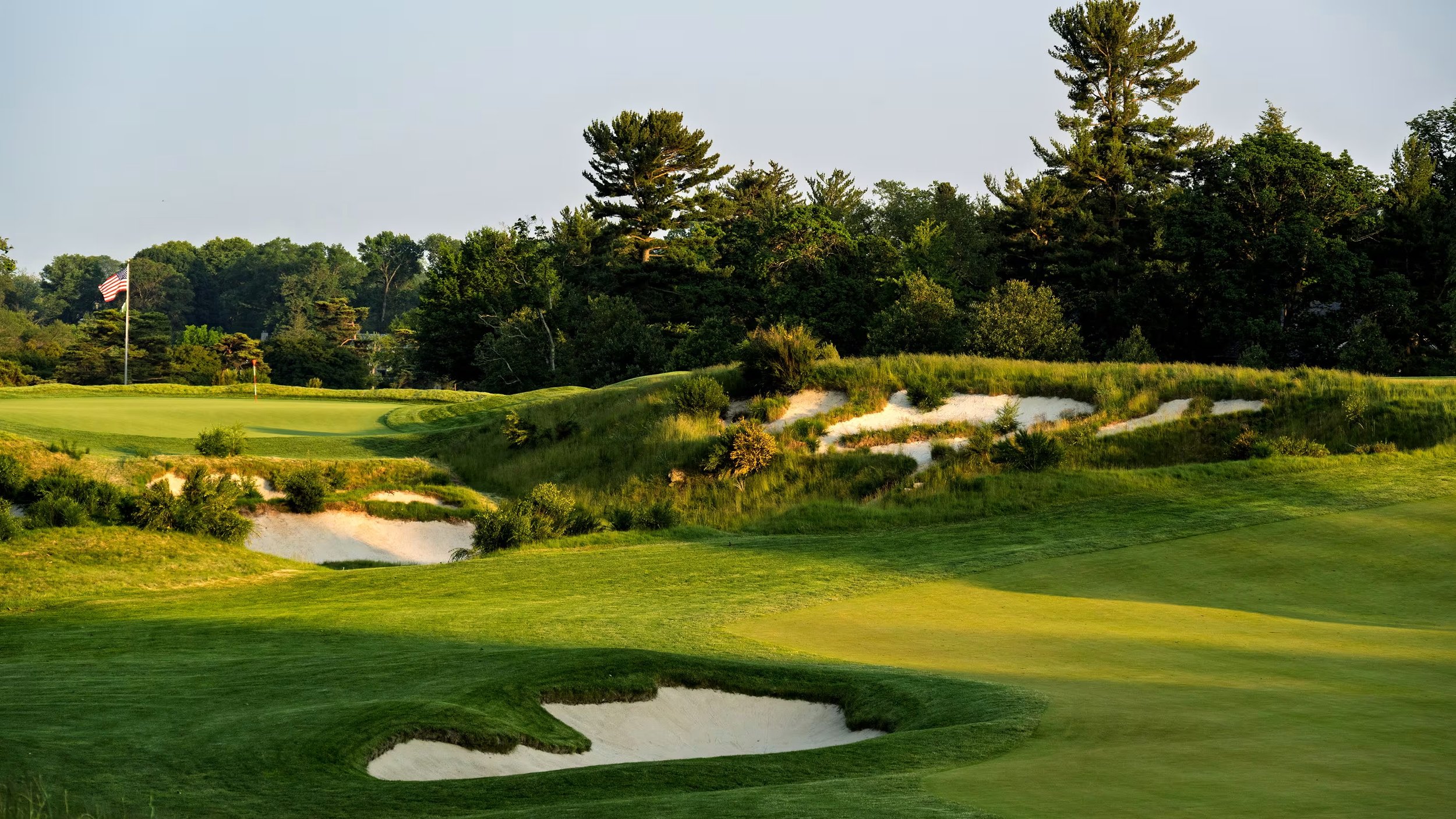
Merion Golf Club
Designed by Hugh Wilson in 1912, Merion Golf Club has long been considered the finest course on the tightest acreage in America. Routed across 126 acres—nearly half the size of most championship venues—Wilson’s design demands precision off the tee and into the greens, with fairways edged by OB and Cobbs Creek, and greens heavily protected by deep bunkers and thick rough.
As Golf Digest Editor-in-Chief Jerry Tarde perfectly, and succinctly, described Merion as “a three-act play: the drama of the first six demanding holes; the comedy of the next seven; and the tragedy of the last five,” Hole 7 is the first of a number of short Par-4s.
“What make the short Par-4s so special is the strategy behind them,” said Davis. “Players have to decide how aggressively they will play each, taking anything from a driver to a long iron.”
Hole 16 - Par-4 - 426
“The 16th is a corker… It is a real gem…. If your drive is a good one, before you stretches the old quarry, its cliff-like sides frowning forbiddingly. Just beyond, and sparkling like an emerald, is the green, calling for a shot that is brave and true. It seems almost like a coy but flirtatious maiden with mocking eyes flashing at you from over her fan, and as you measure the distance between, you are fired with the ambition to show off a bit… No one will ever play Merion without taking away the memory of No. 16.” - A.W. Tillinghast, The American Cricketer
Playing slightly downhill and slightly back up to the two-tiered green, the approach must carry a quarry, restored with bunkering by Gil Hanse.
“Hole 16 is one of the most iconic holes in golf,” said Davis. “It is perhaps the most important fairway at Merion to hit, especially in a match-play event. If a player is in the rough, carrying the quarry is unlikely, leading them to a tough decision, as they may not have the luxury of punching out with only two holes to play.”
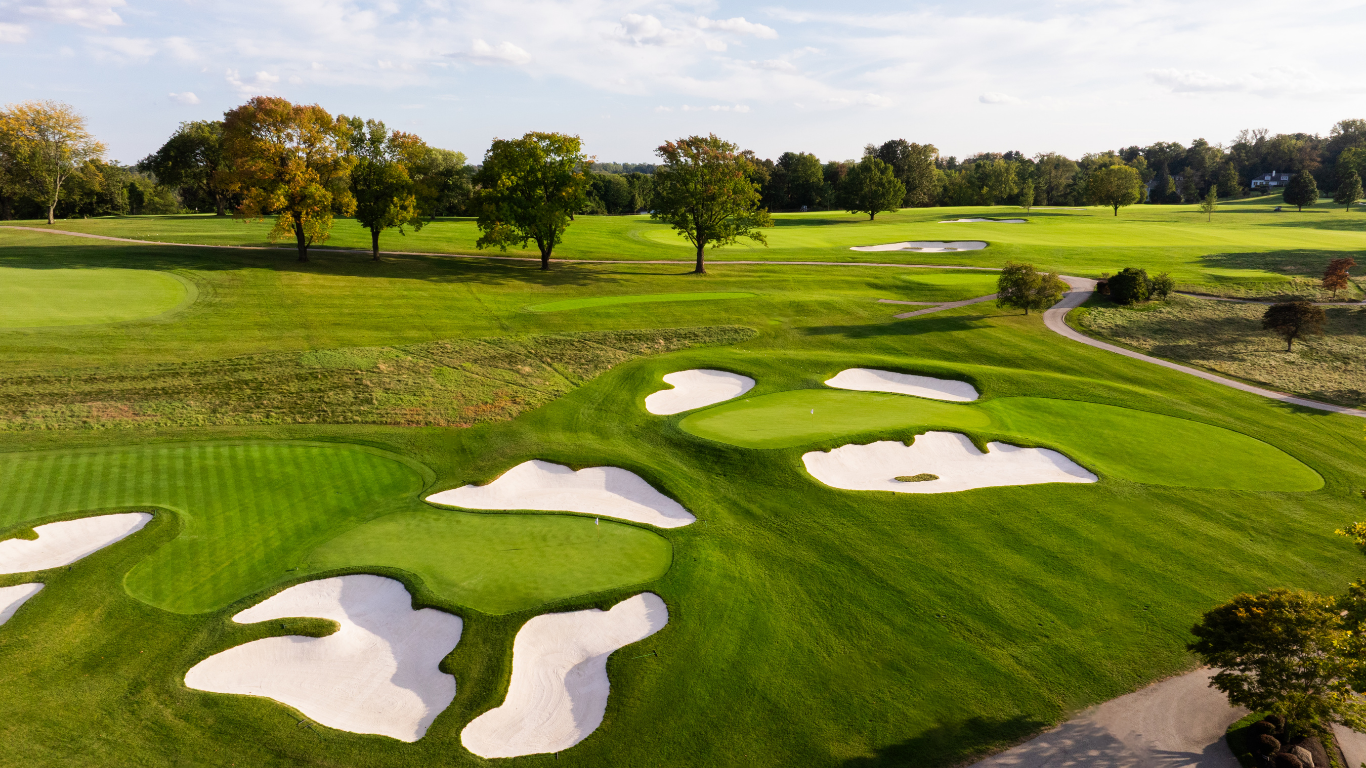
Philadelphia Country Club
When you think about golf course architecture in Philadelphia, you think of William Flynn. Architect of more than a dozen courses in eastern Pennsylvania, Flynn designed Philadelphia Country Club: Spring Mill in 1927. In the decades that followed, the Spring Mill course earned a permanent place in golf history when it hosted the 1939 U.S. Open Championship, won by Byron Nelson in two playoff rounds, and has since hosted the 2003 U.S. Women’s Amateur Championship and the 2005 U.S. Amateur Championship (Co-Host).
Recently restored to its 1939 U.S. Open layout, Jim Nagle was able to restore the bunkering and greens as accurately as possible, using historic aerials and ground-level photos, along with letters to both the club and the USGA.
“With the greens being expanded, we’ve been able to reintroduce pins that will really force the players to think,” said Reilly. “I wouldn’t say our greens have a lot of undulations, but they are very subtle and deceptive. If you can’t get close, it’s going to lead to a lot of two-putts.”
Therefore, in order to score well, positioning off the tee is key to setting up the best angle of approach.
“Flynn gives the golfer wide fairways, but if you’re on the wrong side of the fairway, many pins will be difficult to attack,” said Reilly.
Hole 16 - Par-4 - 401
Perhaps the most significant change was Hole 16. A blind tee shot, playing to the crest of a hill, which Reilly described as “the most dramatic vista on the property,” Hole 16 is defined by the approach shot. Playing downhill to a well-protected green, Reilly said, “It was very important to Jim to reintroduce the ground game, and on sixteen, players now have the option to run the ball down onto the green, as well as flight a wedge.”
“Sixteen is going to challenge quite a few players,” said Chet Walsh, 14-time Club Champion at Philadelphia Country Club. “Players are going to have to decide whether to lay back and have a flat lie, or short approach, but risk their tee shot running into the right rough. If it does, then they’re faced with a 60–80-yard approach out of the rough over a bunker.”
Championship Week:
Monday, August 10: Stroke Play, Round 1
Tuesday, August 11: Stroke Play, Round 2
Wednesday, August 12: Match Play, Round of 64
Thursday, August 13: Match Play, Round of 32 & Round of 16
Friday, August 14: Match Play, Quarterfinals
Saturday, August 15: Match Play, Semifinals
Sunday, August 16: Championship Match (36 holes)
Field:
The field consists of 312 of the best amateurs in the world, including 19 of the Top-20 in the World Amateur Golf Ranking.
Preston Stout, Oklahoma State University: The top-ranked amateur in the world, Stout won the NCAA individual title, finishing the year with five wins.
Tyler Watts, University of Tennessee: An incoming freshman, Watts was the highest-ranked junior in the World Amateur Golf Rankings at the time of his signing. Less than two months ago, Watts won the Northeast Amateur, becoming the youngest champion in tournament history, and set a course record with a 9-under-par 60 in Round 2.
Miles Russell: On Thursday, Russell became the first player to win medalist honors at the U.S. Junior Amateur and the Western Amateur in the same year.
